


With so-called oral histories, researchers try to capture and preserve memories that individuals remembered and chose to narrate. In contrast to interviews structured by specific questions researchers may have prepared in advance, the method of oral histories tries to let interview partners talk as freely as possible. Those interviewed should be able to choose what they would like to share. The researchers are responsible for creating an environment in which interview partners can also safely decide and express what they would not like to share.
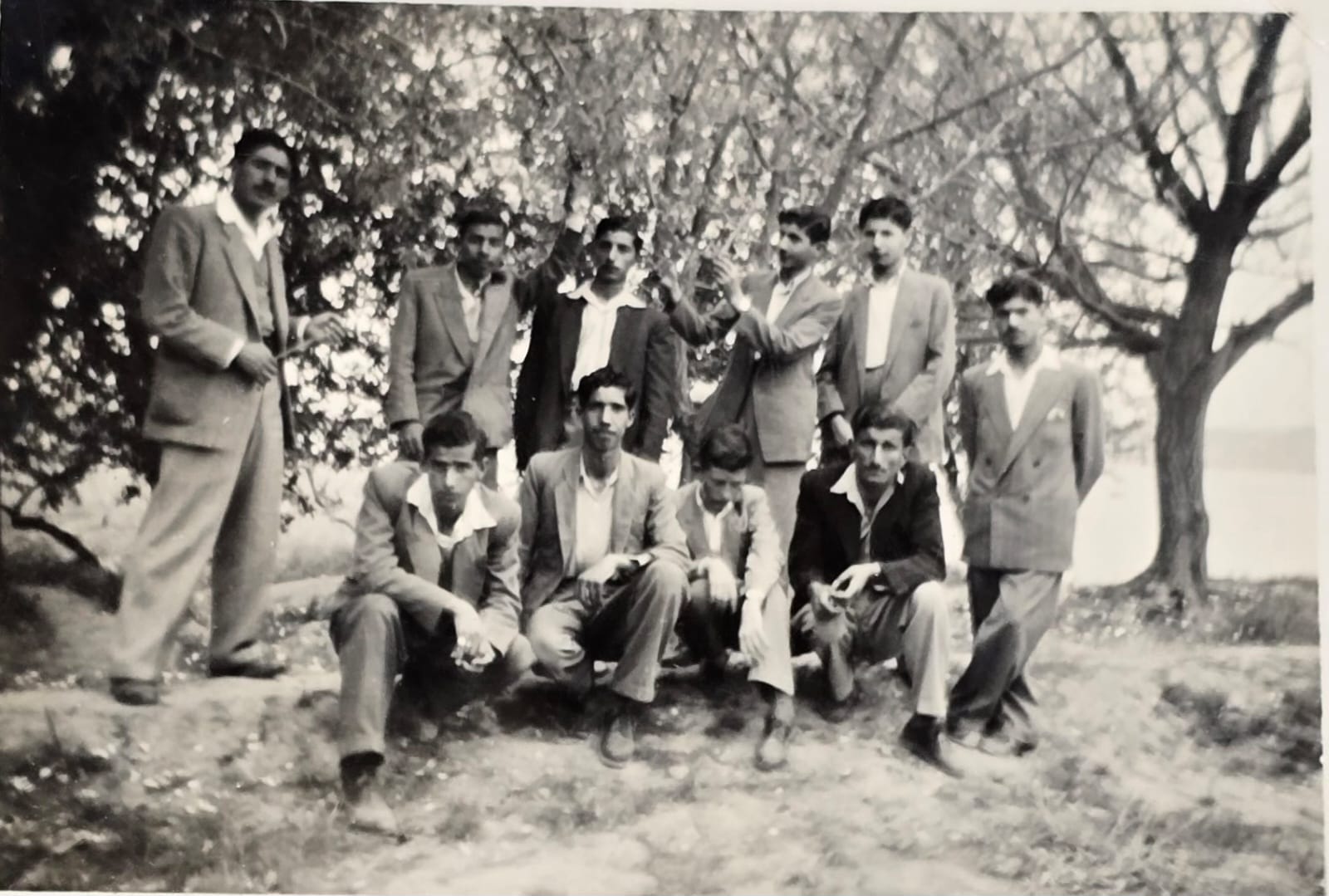
Image 1. Credit: Maurice Abd al-Nabi. Photo taken around the year 1950.
Critics of this method raise that oral histories are subjective, and the narrations too individual to draw any conclusions. Proponents argue that the value lies precisely in the uniqueness of the stories ˗ what makes them so important. With this method, previously marginalized voices or experiences that were actively dismissed or excluded can be preserved.
Oral histories aim to record how individuals perceived certain situations, how they perceived changes in their communities, regions, or personal lives. The goal is not to create detailed lists of events based on these narrations, but to get an understanding of how events or circumstances shaped individual lives. Narrations may extend to the conveying of traditions and cultural values and thereby give unique insight into the aspects that carry importance for certain communities.
In addition to the value that the stories have for researchers and those reading or listening to them, narrating them is also important for the individuals. For some, these recordings may be the only time their memories and their perspectives on events were heard.
Trust is the central component that makes the recording of oral histories possible. This means that ethical considerations and a deep understanding of cultural values is the starting point of every oral history project. Aside from questions on who is interviewed and who interviews, on suitable settings and emergency plans for when interviews cause distress, explaining what happens with the recordings is equally important. As AI tools are increasingly popular, it is pivotal to discuss whether emerging technologies may be used for processing the data when the repercussions of these tools are not fully understood.
The method of oral histories also reminds us of a principle that every project grounded in qualitative research should follow: It is not researchers who produce knowledge. Knowledge is created relationally, through the exchange between interview partners and interviewers. The interview partners are the most central part of any project. It is them who projects have to serve.
About this series
Over the coming months, profiles developed on the basis of oral histories, recorded with members of the Jewish community from Mosul, will be published on this website. The interview partners were children when they left Mosul with their families in the 1950s and moved to Israel or other parts of the world. To preserve their stories, videos were recorded between the years 2021 and 20231 in which the individuals, now elderly, talk about their childhood memories, memories of the city of Mosul, of them leaving the city and finding new homes elsewhere. The recordings are between one and two hours long and give unique insight into Jewish life in Mosul in the 1940s and 1950s.
The Jewish heritage of Mosul has largely been forgotten or disregarded. With this series of oral histories, this facet of Mosul, a once highly diverse city, is actively remembered and brought to public attention. By understanding how individuals perceive certain times, the history of cities becomes multidimensional. Projects like these help to counter tendencies of historical distortion and the homogenization of narratives that times of conflict and war may bring.
Based on these recordings and in close collaboration with the interview partners, Heritage of War and Peace has created articles that re-tell these memories and make them accessible to a broad audience. As a whole, this series continues the work of Heritage of War and Peace and its overarching goal of archiving and documenting memories of communities affected by conflict and war.
The interviews were part of the project “Collecting Testimonies from the Jewish Community of Mosul”. The project was funded by ALIPH, hosted by Labex Pasts in Present (http://passes-present.eu/en), University of Paris Nanterre, and led by Omar Mohammed.